
Fazal Amin Shinwari
ISLAMABAD: Pakistan has warned that it will respond decisively to any attempts to threaten its national security, telling the United Nations Security Council that it will not allow militant groups to be used against the country.
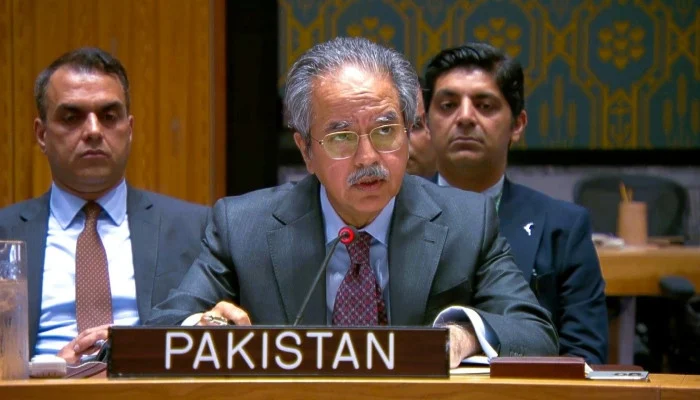
Speaking at the UN Security Council, Pakistan’s Permanent Representative to the United Nations, Ambassador Asim Iftikhar Ahmad, said Islamabad was fully aware of what he described as India’s efforts to destabilise Pakistan through terrorist groups operating from Afghan territory.
“Pakistan is fully aware of India’s designs. We will not allow anyone to support terrorists and threaten our national security. We have stopped such attempts before and will continue to do so whenever necessary,” he said.
The ambassador said Pakistan had consistently supported Afghanistan through humanitarian assistance, diplomatic engagement, trade cooperation and transit facilities. He added that Islamabad had hoped the Taliban administration would help bring peace, stability and development to Afghanistan.
However, he noted that terrorism remains a serious challenge, with several militant organisations continuing to operate from Afghan soil. These groups include Tehreek-e-Taliban Pakistan (TTP), the Balochistan Liberation Army (BLA), the Majeed Brigade, Daesh-Khorasan and the East Turkestan Islamic Movement (ETIM).
Ambassador Asim said Pakistan expected the Afghan authorities to take effective action against these groups but expressed concern that the country’s security concerns had not been adequately addressed.
Highlighting the impact of terrorism on Pakistan, he told the Security Council that more than 1,200 Pakistanis were killed in terrorist attacks last year. The victims included civilians, women, children and security personnel.
Reaffirming Pakistan’s commitment to combating terrorism, the envoy said the country would continue to take all necessary measures to protect its people and safeguard its national security.