
By Ashrafuddin Pirzada
LANDIKOTAL: A large number of girls in Pakistan’s tribal districts continue to face serious barriers to education, particularly after completing matriculation, as the lack of girls’ colleges and higher educational institutions forces many talented girls to abandon their studies.
The Pakistan International Human Rights Organization (PIHRO) has called for urgent measures to ensure girls in tribal areas can access their fundamental right to education, including establishing girls’ colleges, higher education institutions, safe transportation, and adequate educational facilities.
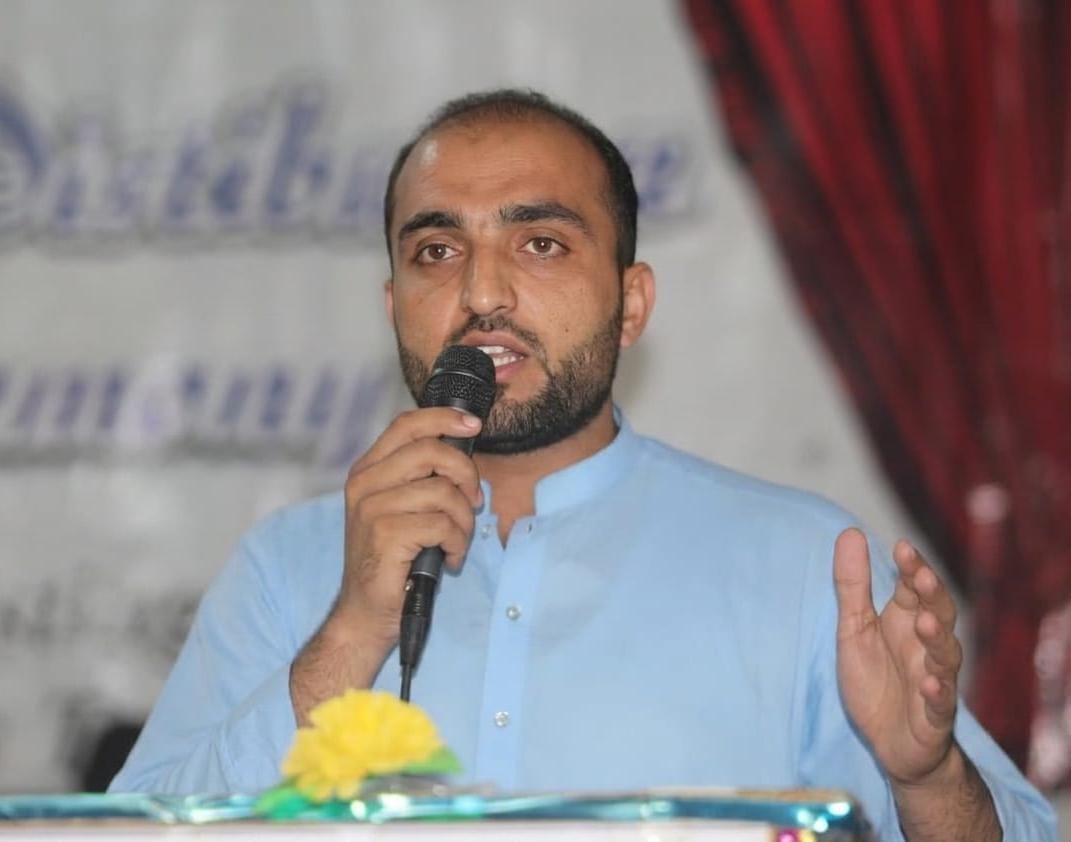
PIHRO representative Ali Rehman told media here in Landikotal that only one percent of girls in merged districts complete secondary education despite social and economic hardships; continuing beyond matric remained a major challenge in tribal areas because girls’ colleges were not nearby and cultural taboos made it difficult to study.
Ali Rehman said sending daughters to other cities far from their homes for higher education was often difficult for families because of financial, cultural, social constraints and security risks. He said as a result, a large number of talented and ambitious young girls were forced to discontinue their education despite having the potential to pursue higher studies and contribute meaningfully to society.
The human rights activist urged the government to prioritize education in the tribal districts and establish girls’ colleges and other higher education institutions closer to local communities. He also called for safe and reliable transport facilities and a secure educational environment for female students.
“Education is a fundamental human right, and girls must not be deprived of this right simply because of where they live,” he said.
He stressed that investing in girls’ education would not only transform individual families but also contribute to the social and economic development of the country.
“Educating a girl does not only transform one family; it shapes the future of an entire generation,” Ali Rehman said.