
By Ashrafuddin Pirzada
LANDIKOTAL: Fata Loya (Grand) Jirga alleged that the merger of the former Federally Administered Tribal Areas (FATA) into Khyber Pakhtunkhwa was imposed on the tribal people without their consent or consultation, leaving the tribal districts still facing severe deprivation, militancy, and unresolved health, education, and social issues.
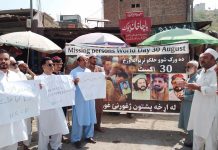
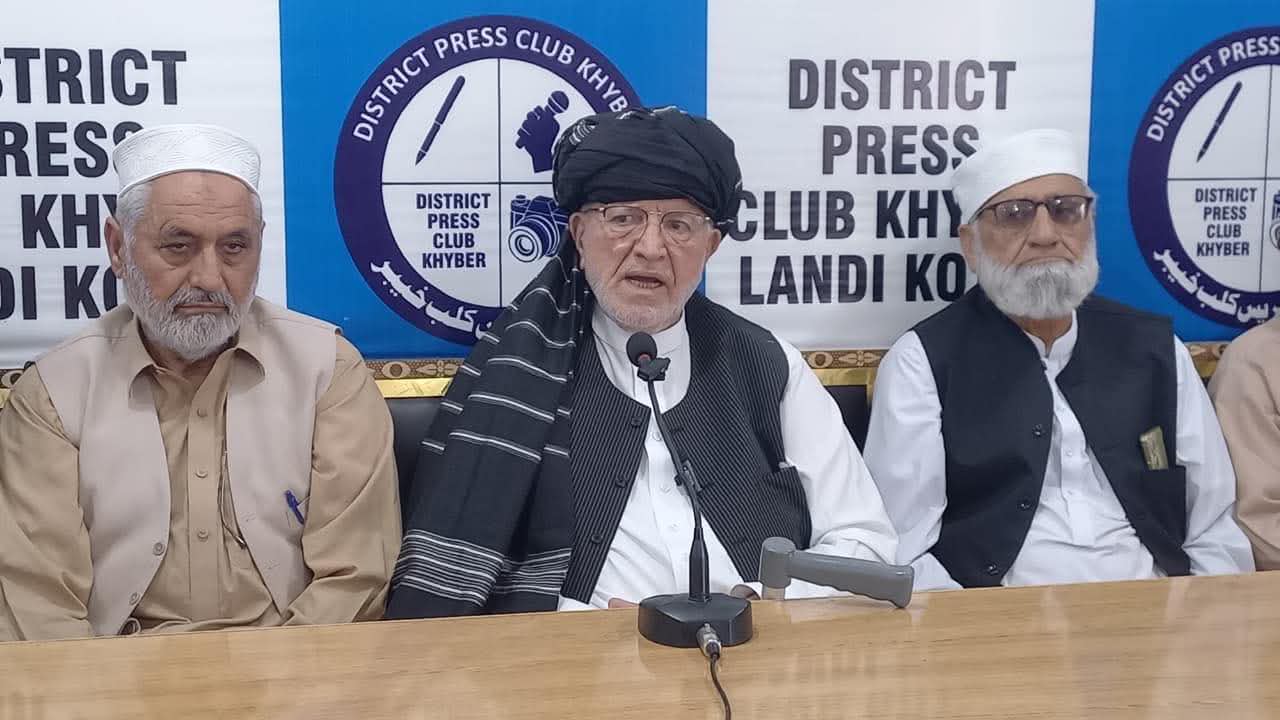
These views were expressed during a press conference held at the District Press Club, Khyber, in Landikotal, by Fara Loya Jirga chairman Khan Marjan, president Malik Bismillah Khan Afridi, general secretary Azam Khan Mehsud, Tahmash Shalmani, and others.
The speakers alleged that the 25th constitutional amendment negatively affected the historical, constitutional, and social identity of tribal communities. They said the opinions of tribal people were ignored during the merger process and claimed that constitutional requirements were overlooked while the amendment was passed hastily through parliament.
The leaders further alleged that the merger was carried out under external pressure and according to the wishes of certain powerful circles, which they described as contrary to the spirit of the constitution and law.
During the press conference, the speakers said that tribal districts continue to suffer from serious problems related to healthcare, education, employment, justice, terrorism, and basic facilities.
They also criticized the judicial system, saying courts have failed to provide timely justice to tribal residents.
The leaders expressed concern that cases related to the Fata merger were still not being brought before the federal constitutional court, creating anxiety among tribal communities.
They stated that tribal regions historically possessed a separate constitutional and administrative status and said agreements made between tribal elders and the founder of Pakistan, Muhammad Ali Jinnah, remain part of official records.
The speakers said that tribal people have always made sacrifices for the defense and stability of Pakistan, but continue to be deprived of their fundamental, legal, and basic human rights.
The Fara Loya Jirga demanded immediate development initiatives in tribal districts, including the establishment of a medical college in Landikotal and the approval of universities, nursing colleges, and technical education centers in every tribal district to provide better educational and employment opportunities for youth and reduce feelings of deprivation.
They also alleged that the real purpose behind the merger was to gain control over the mineral resources of tribal areas, which, according to the speakers, harmed the rights of local tribes. They added that the abolition of tribal customs and the traditional system has contributed to growing social disputes and rivalries, posing a threat to peace and stability in the region.
Fata Loya Jirga leaders made it clear that their constitutional and legal struggle against the merger would continue until the restoration of tribal rights. They warned that if the court failed to provide justice, they reserve the right to approach international courts.
On the occasion, general secretary Azam Khan Mehsud announced that May 31 would be observed as a “Black Day,” during which protest press conferences, public awareness campaigns, and various programs would be organized to highlight the sta