
By Nusrat Gul
PESHAWAR: Urging the government and civil society to prioritize women’s economic empowerment and mental health, educationist and tribal female social worker Nusrat Gul on Thursday stressed that financial and emotional independence is essential for ensuring women’s dignity, safety and meaningful participation in society.
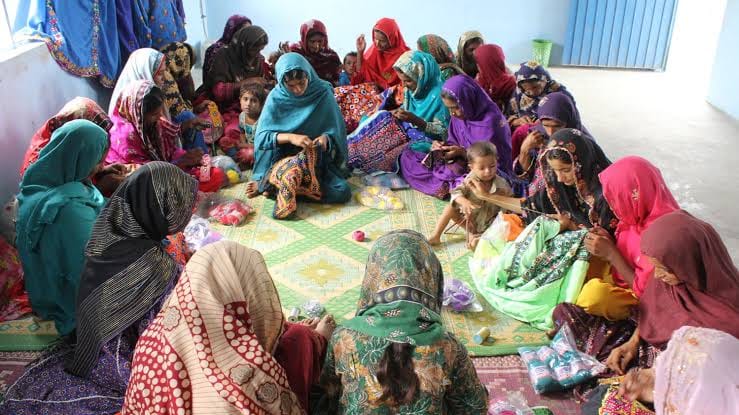
Speaking to reporters here, renowned tribal female educationist and social worker Nusrat Gul said that in underprivileged and tribal communities in merged districts, several women continue to live lives marked by economic dependence, emotional hardship and social isolation. She added that women in male-dominated societies were often raised to believe that their future depends entirely on male family members, leaving them with limited opportunities and hope to pursue education, employment or vocational skills.
Drawing on her experiences working in remote areas on women’s empowerment, Gul said she had encountered numerous women whose ambitions had been suppressed due to social pressures and financial dependence. She recalled the case of a 27-year-old woman in Khyber Pakhtunkhwa who fled her in-laws’ house in search of safety and spent an entire night hiding inside a clay oven (tandoor) at her parents’ home out of fear of rejection and social stigma.
She said that deeply rooted, outdated cultural norms and harmful social taboos in society often leave women with little control over decisions affecting their own lives, including marriage, political affiliation and the right to work. As a result, many women experience severe psychological distress, with some tragically driven to suicide due to the denial of their basic rights and autonomy. She said such incidents highlight the urgent need for financial empowerment, legal protection and mental health support for women across the country.
She said Pakistan continued to have one of the lowest female labour force participation rates in South Asia, with only about 24 percent of women participating in the labour market, according to the latest labour statistics and international estimates.
She said increasing women’s participation in the workforce could significantly improve household incomes, children’s education and overall economic growth.
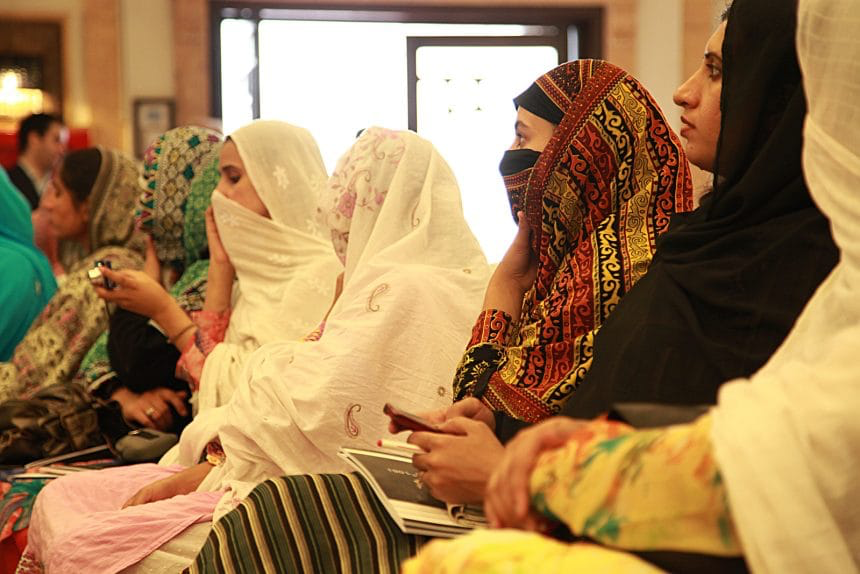
Nusrat Gul also highlighted the importance of emotional well-being, particularly during pregnancy and after childbirth. She said women in many rural communities receive little emotional support during these critical stages, while conditions such as postpartum depression were frequently misunderstood or dismissed as spiritual or personal weakness instead of being treated as medical issues.
She said a 2024 research review covering 61 studies conducted in Pakistan found that approximately one in three mothers experiences perinatal depression. She added that the study reported that 34.2 percent of women suffered postnatal depression three months after childbirth, while the prevalence increased to 40.9 percent after six months and 43.1 percent after one year. The educationist said researchers noted that these rates were considerably higher than the global average reported in many countries.
Gul said untreated emotional trauma affects not only women but also family relationships, parenting and children’s emotional development. She urged policymakers, healthcare providers and human rights organizations to invest in girls’ education, vocational training, employment opportunities, maternal mental healthcare and stronger legal protection against abuse.
She maintained that financial and emotional independence should be recognized as fundamental rights rather than privileges, adding that empowering women would strengthen families, improve social well-being and contribute to Pakistan’s long-term economic development.