
By Ashrafuddin Pirzada
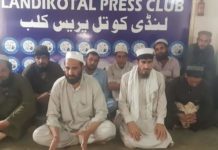
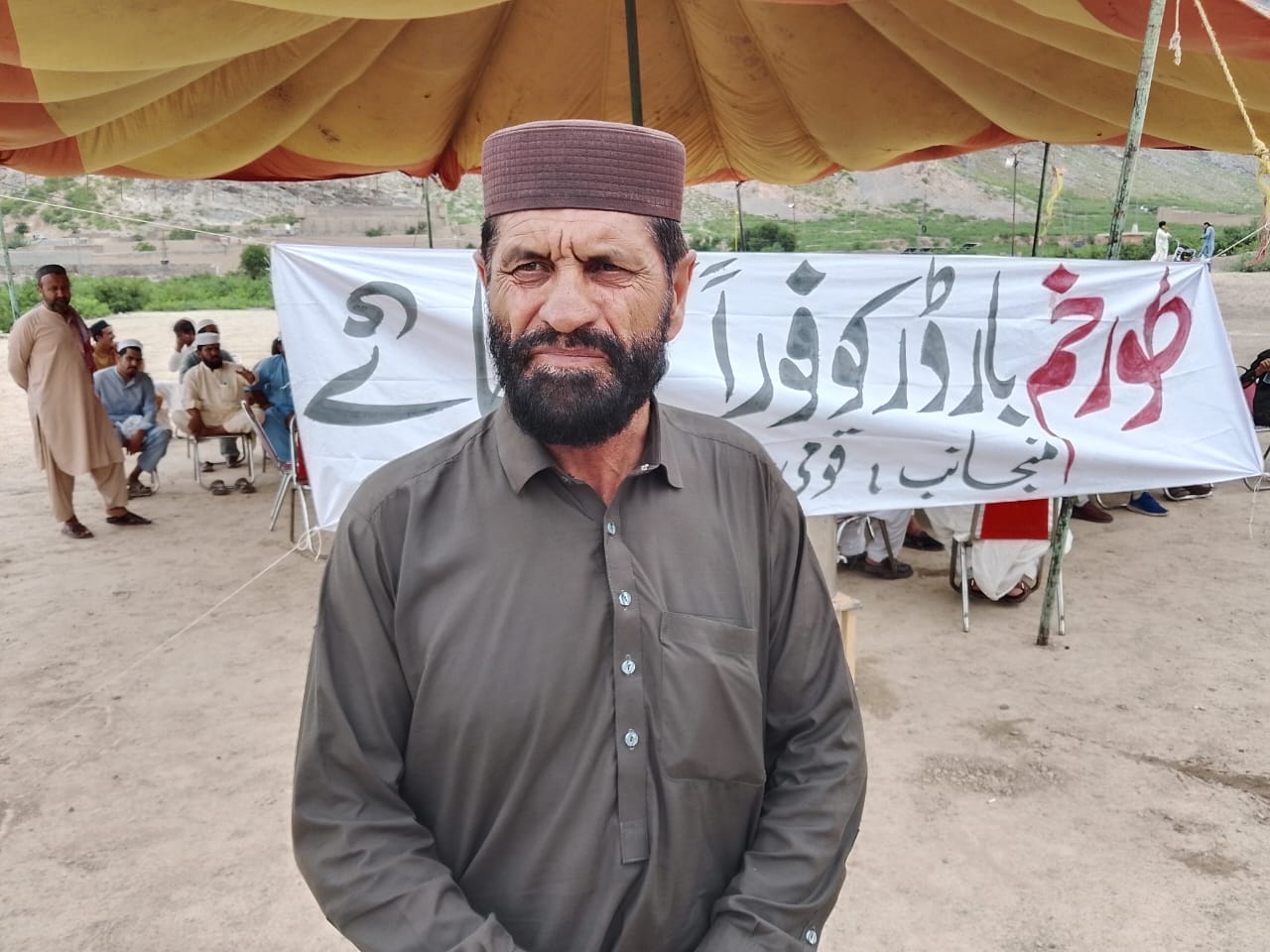
LANDIKOTAL: Pakistani transporters and truck drivers on Thursday staged a protest sit-in at the Takia area of Landikotal, demanding the immediate return of hundreds of Pakistani drivers and commercial vehicles that have remained stranded in Afghanistan for the past eight months.
Speaking on the occasion, transporter leader Rehman Zeb Afridi said that despite repeated appeals, authorities in Pakistan and Afghanistan had failed to resolve the issue of stranded transporters and their vehicles.
He warned that if permission for the return of the drivers and vehicles was not granted by Sunday, transporters would intensify their protest by blocking the Pakistan-Afghanistan Highway and launching an indefinite sit-in.
“We have been facing severe financial losses and hardships due to the prolonged suspension of cross-border transport activities. The authorities of both countries must take practical steps to facilitate the safe return of Pakistani drivers and their vehicles,” Afridi said.
The protesters urged Islamabad and Kabul to intervene immediately and allow the stranded transporters to return home, saying many drivers had been separated from their families for months and were facing serious economic difficulties.
Background
The issue dates back to the tightening of border regulations and restrictions on cross-border trade between Pakistan and Afghanistan following the implementation of stricter documentation requirements and periodic border closures at the Torkham crossing.
Hundreds of Pakistani transport vehicles carrying commercial goods entered Afghanistan before the restrictions were imposed. However, subsequent policy changes, visa requirements, and trade-related disputes reportedly left many drivers, helpers, and vehicles stranded on the Afghan side of the border.
Transporters say that numerous truck drivers and their co-workers have remained stuck in Afghanistan for nearly eight months, unable to bring their vehicles back to Pakistan. The prolonged delay has caused heavy financial losses, including vehicle maintenance costs, unpaid loans, loss of income, and difficulties supporting their families.
Business groups and transport unions have repeatedly called on both governments to find a mutually acceptable solution, warning that continued disruptions in cross-border transportation could further affect trade activities through the Torkham border, one of the busiest trade routes between Pakistan